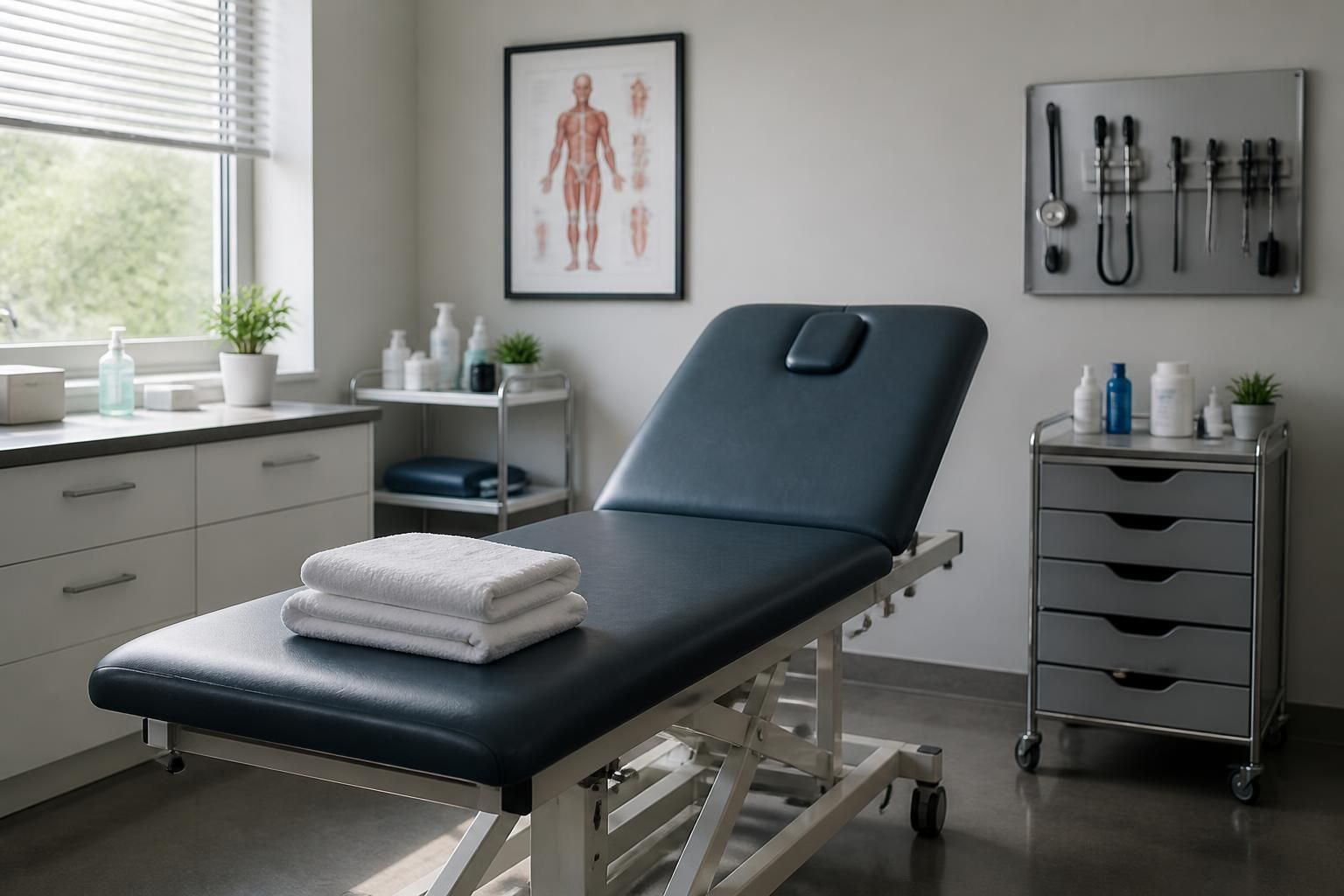
When pain starts after a fall, strain, or sports injury, it can take over everything you try to do. Walking, lifting, sleeping, and even simple daily tasks may feel harder than they should, and the longer you wait, the more limited you can feel.
At Hermitage Orthopedics And Sports Medicine, we help people in Hermitage move from uncertainty to a clear recovery plan. If your injury is affecting your range of motion, strength, or comfort, we can evaluate the problem and guide you toward the right next step.
Not every injury looks the same, but many share a few warning signs that should not be ignored. Some problems settle with rest for a day or two, while others keep showing up when you try to return to normal movement.
If you are unsure whether your pain is serious enough for care, the safest approach is to have it checked. A focused assessment can help sort out whether you are dealing with a soft tissue strain, a joint problem, a fracture concern, or another orthopedic issue.
Injury treatment can cover a wide range of problems, from sudden accidents to injuries that build over time. Hermitage Orthopedics And Sports Medicine works with patients who need support for pain, movement limits, and return to activity after injury.
Sports injuries often involve the knees, shoulders, ankles, wrists, or back. These problems can come from a single event or from repeated stress during practice, work, or recreation. We evaluate the injury, discuss your symptoms, and help match care to the way you actually use your body.
Sprains, strains, tendon irritation, and joint pain can make everyday movement uncomfortable. When the body is guarding an area, the surrounding muscles may tighten and limit how you move. Treatment focuses on reducing pain and helping motion return at a pace that makes sense for your injury.
Suspected or confirmed fractures need careful attention. Pain, swelling, and loss of function can linger even after the initial injury settles down. Follow-up care helps monitor healing and gives you a plan for getting back to safe movement.
A good injury plan begins with understanding what hurts, how it happened, and what movements are now difficult. At Hermitage Orthopedics And Sports Medicine, the first visit is built around your symptoms and your goals, not a one-size-fits-all checklist.
This process matters because pain can come from different structures even when the symptoms feel similar. A sprain, a fracture, a joint problem, and a muscle strain may all need different care. Getting that distinction right early can save time and reduce frustration.
Our injury treatment approach may include non-surgical care, surgical consultation when needed, and rehabilitation support. The right option depends on the type of injury, the location, and how much the injury is affecting daily activity.
Many injuries improve with conservative treatment. That may include activity changes, guided movement, pain control strategies, and a plan to help the injured area recover without overloading it too soon.
Recovery often works better when movement is rebuilt step by step. Rehabilitation can help restore strength, flexibility, coordination, and confidence after an injury. It may also help reduce the chance of compensating with other body parts while you heal.
Some injuries need a closer look because rest alone is not enough. When that is the case, we discuss whether a surgical option may be appropriate and what that would mean for your recovery path.
Healing does not always move in a straight line. Some days feel easier than others, and certain movements may improve before others do. Good recovery support helps you notice progress without pushing too fast.
To make recovery more manageable, many patients benefit from a simple routine:
Injury recovery is not only about pain relief. It is also about restoring trust in your body so you can move with less hesitation. That is especially important when the injury affects work demands, exercise habits, or daily responsibilities.
Active people often want to know one thing right away: how soon can they get back to what they were doing? The answer depends on the tissue involved, the severity of the injury, and how your body responds to treatment. Rushing back too early can turn a short-term issue into a longer setback.
Hermitage Orthopedics And Sports Medicine helps patients balance recovery and activity with a practical plan. We look at the injury itself, but we also pay attention to the motions that triggered it, because those details often shape the next stage of care.
Some injuries need more than a one-time visit. Follow-up care helps track healing, answer questions about activity, and adjust the plan if symptoms change. If swelling lasts longer than expected or a movement remains difficult, re-evaluation can help clarify what is happening.
Follow-up is also useful when pain shifts from sharp to achy, or when function improves only partway. Those changes may be part of healing, but they can also show that the injured area needs a different approach. We use each visit to keep recovery moving in the right direction.
Hermitage residents should not have to guess their way through injury recovery. Whether the problem came from sports, a slip, a lift, or repetitive strain, local care makes it easier to get evaluated and stay on track with treatment.
Hermitage Orthopedics And Sports Medicine has served this community for more than 30 years, and we continue to focus on orthopedic care that supports real-life recovery. If pain is interfering with your routine, scheduling a visit is the first step toward understanding what is going on and what can help.
Hermitage Orthopedics And Sports Medicine
1005 Campus Cir, Hermitage, PA 16148, USA
Phone: +17243462677
Any injury that keeps hurting, limits motion, causes swelling, or affects your ability to use a joint or limb should be checked. Pain that returns during activity is also worth a closer look.
Yes. Some injuries become more noticeable after swelling and stiffness set in. A delayed increase in pain does not always mean something new happened, but it does mean the injury deserves attention.
No. Muscle strains, joint sprains, fractures, and tendon problems may each need a different plan. That is why a careful exam matters before treatment begins.
Physical therapy can help restore motion, strength, balance, and confidence after an injury. It is often part of a broader recovery plan, especially when movement has become limited.
Recurring pain can point to an injury that has not fully healed or to a movement pattern that keeps aggravating the area. It is a good reason to schedule an evaluation before it becomes more disruptive.
Follow-up helps confirm that healing is moving forward and that your plan still matches your symptoms. It also gives you a chance to ask questions about activity changes, recovery pace, and next steps.

Getting You Back to What You Love
Call Hermitage Orthopedics and Sports Medicine at 724-346-2677 to schedule an orthopedic appointment. For Peak Performance Physical Therapy appointments, call 724-346-1529. Same-day and urgent orthopedic appointments may be available based on scheduling and provider availability.